
Accelerating progress against anaemia, a call for multisectoral action
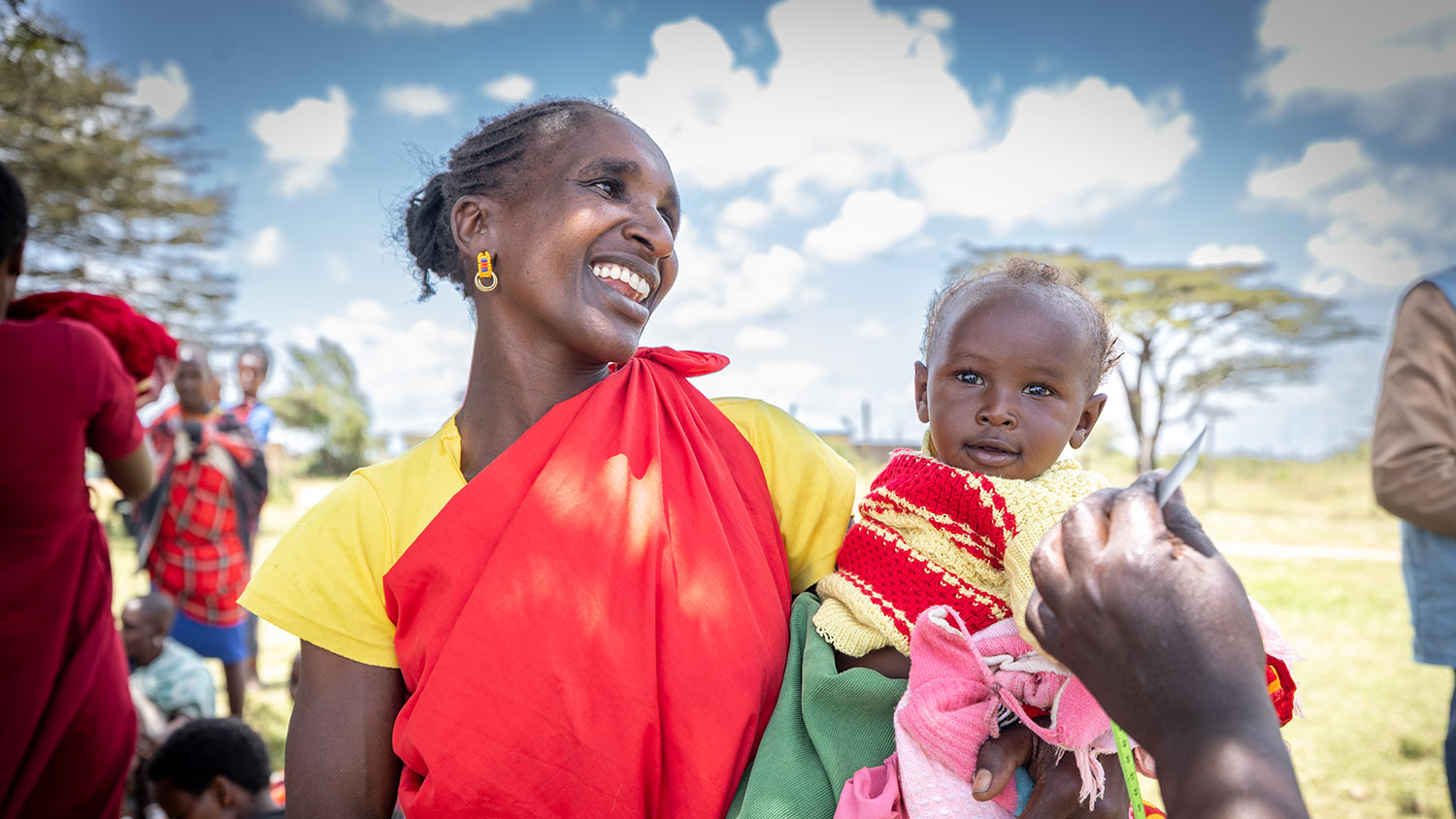
The Anaemia Action Alliance advocates for addressing persistently high anaemia rates through a coordinated, multisectoral approach. Despite decades of strong evidence on effective interventions, progress remains slow – largely due to fragmented programming and insufficient political prioritization. A newly published blog highlights how integrating interventions across multiple delivery platforms can better address the diverse causes of anaemia and improve impact.
Strengthening health services for women, infants, and young children
Women, especially during pregnancy, are three times more likely than men to be affected by anaemia. Maternal anaemia increases the risk of maternal death, stillbirth, and postpartum haemorrhage. Strengthening routine antenatal and postnatal care by integrating services such as malaria prevention, deworming, nutrition counselling, and the provision of iron-containing supplements helps protect both mothers and their infants. The Alliance emphasizes that providing person-centred, quality care is essential to improving service utilization and health outcomes.
Supporting schoolchildren through smart school-based strategies
Schools provide an important platform to reach children and adolescents during critical developmental stages. Integrated approaches, such as the provision of nutritious school meals, weekly iron-folic acid supplementation, deworming, and health and nutrition education, can improve concentration, behaviour, and school attendance. Ensuring adequate WASH and menstrual hygiene services also enables adolescent girls to manage menstruation with dignity and can reduce absenteeism.
Driving collective and integrated action through community platforms
Community-based delivery is indispensable for reaching women, adolescent girls and children in remote or underserved areas. Community health workers play a central role by fostering trust and delivering culturally relevant interventions —such as vitamin A supplementation, follow-up support, and distribution and insecticide-treated nets. Investing in their training and resources is essential for expanding prevention and treatment coverage.
Why coordinated, multisectoral action matters
Anaemia is not just a health issue – it reinforces cycles of poverty and gender inequality. Coordinated action across health, education, WASH, agriculture and social protection sectors is vital for delivering comprehensive solutions. Sustainable investments and aligned efforts can help ensure all women, adolescents, and children lead healthy, productive lives.
For a deeper exploration of these strategies and the recommended path forward, readers are invited to visit the full blog on the Micronutrient Forum website.